
Search Tennessee Police Records
Tennessee police records can come from more than one place. A statewide criminal history search may run through the Tennessee Open Records Information System. A jail booking search may sit with a county sheriff. A crash report can be bought from the state crash portal. Court-linked police records can also connect back to local filings and statewide court tools. This Tennessee police records guide brings those paths together, so you can search, request, and compare record sources without mixing up state, county, and city systems.
Tennessee Police Records Quick Facts
Where Tennessee Police Records Are Kept
Tennessee police records are split by agency and record type. The Tennessee Bureau of Investigation keeps the statewide criminal history repository and runs background-check services through its CJIS division. That is where a name-based Tennessee criminal history search starts. The same system does not replace a local incident report, jail booking sheet, or crash file. Those records stay with the law enforcement agency or records office that created them.
Local police departments and county sheriffs hold many of the records people ask for most. That includes incident reports, arrest reports, booking logs, mugshots when release is allowed, and jail status details. Some agencies offer open portals. Others require a written request under the Tennessee Public Records Act. If you need court status after an arrest, the Tennessee Court System and local clerk systems may show filings or hearing dates that help tie a police record to the next step in the case.
A statewide search is still useful. The TORIS portal returns Tennessee criminal history information tied to arrest and fingerprint reporting from agencies across the state. Results can include arrests, misdemeanor charges, felony charges, and conviction history. Juvenile information is generally excluded unless the juvenile was transferred to adult court. That difference matters. Tennessee police records from a sheriff or police department can be broader in some ways, while TBI history results can be broader across geography.
Start with the record you need. Then match the agency.
See the TBI main site before you use the statewide repository.
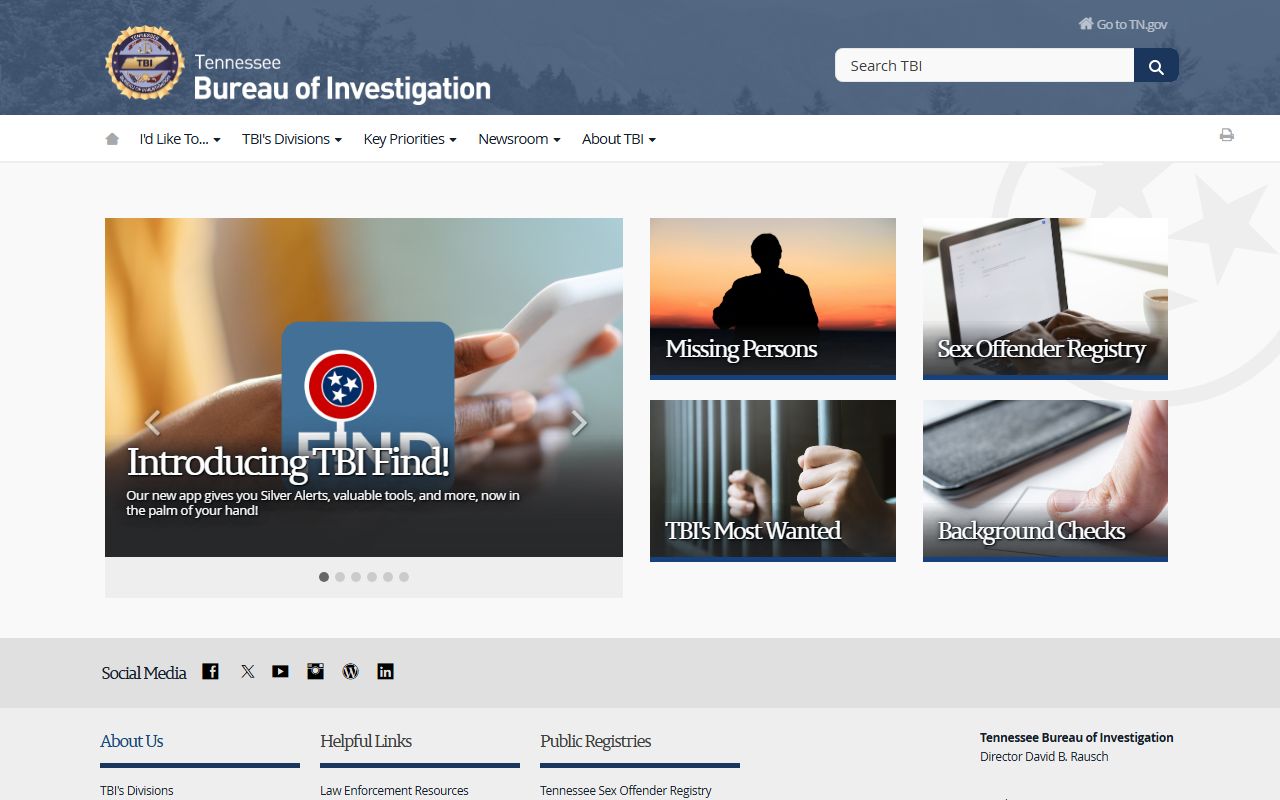
The TBI site explains background checks, public records request channels, and other Tennessee police records services that connect with state-level criminal history data.
How to Search Tennessee Police Records
Most Tennessee police records searches fall into four tracks. The first is a statewide criminal history request. The second is a local jail or booking search. The third is an incident or arrest report request from a police agency. The fourth is a crash report lookup. Each path uses different search terms and different proof. Some systems ask for a name and date of birth. Others work better if you have a booking number, report number, crash date, or county name.
The TBI background check page explains public and qualified-organization search options. A general public Tennessee-only search costs $29 and does not require fingerprints. That request runs through the same state framework described on the TBI background checks page. If you want a local jail status instead, a sheriff roster or inmate locator is usually faster. For felony custody data, the Department of Correction runs the FOIL lookup portal.
Search terms matter. Use the full legal name if you have it. Add the county where the stop, arrest, or booking happened. For crash files, keep the driver name, crash date, county, and at least one extra identifier such as a plate number, case number, VIN, or agency tracking number. For report requests, note the incident date, place, and names of the parties. That saves time when the records custodian must respond within the Tennessee Public Records Act timeline.
Use the official TORIS search if you need statewide Tennessee police records rather than one county file.
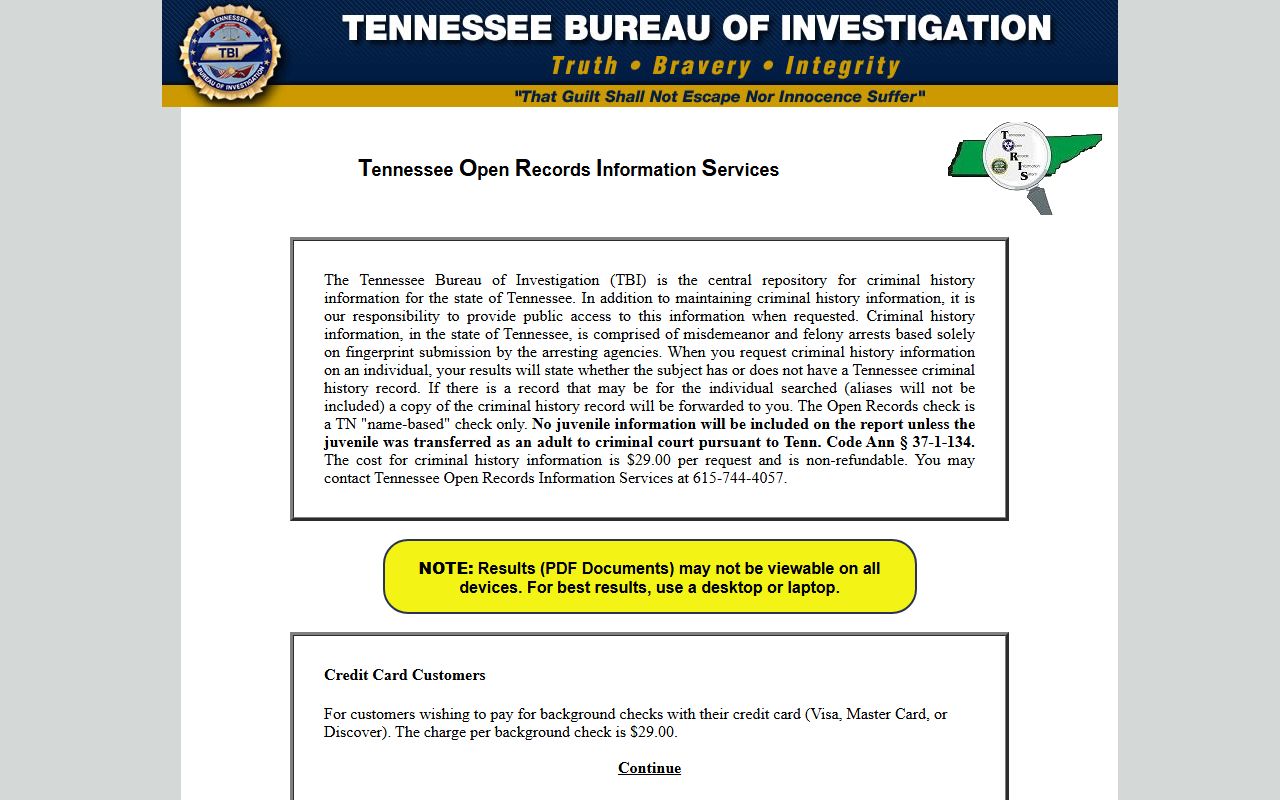
TORIS is useful when the county is unclear, when the arrest may have happened in more than one jurisdiction, or when you need a statewide Tennessee police records search instead of a local records-office request.
The FOIL system is different. It covers Tennessee felony offenders who are or have been in Department of Correction custody. That makes it a good supplement, not a full substitute, when you are piecing together Tennessee police records tied to prison custody, parole status, or state offender ID numbers.
Check the FOIL portal if the case moved into state correction custody.
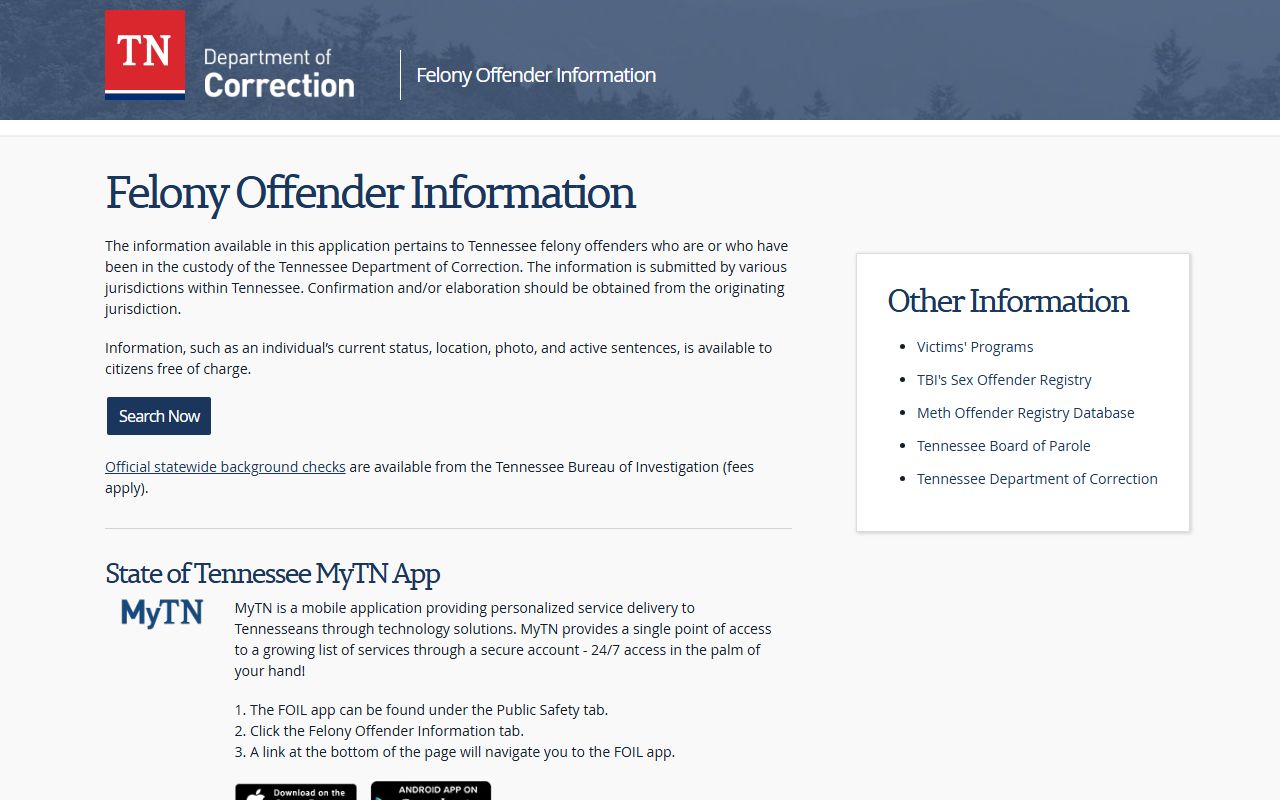
FOIL helps confirm whether a person linked to Tennessee police records has a Department of Correction history, custody status, or felony offender profile.
Tennessee Police Records Request Rules
Tennessee police records requests sit under the Tennessee Public Records Act, mainly T.C.A. 10-7-503 and related sections. The statute says state, county, and municipal records are open for inspection by Tennessee citizens unless another law makes them confidential. Agencies may ask for government-issued photo identification. They also must respond within seven business days by producing records, denying the request with a legal reason, or giving a timetable for a fuller response.
Not every Tennessee police record is open in full. Active law enforcement investigative records can be withheld. Juvenile records are confidential. Agencies also redact Social Security numbers, medical details, some victim information, and data that could expose security procedures. Sealed or expunged material is outside public access. Those limits do not erase the Act. They just shape what part of a Tennessee police records file can be inspected or copied.
The best requests are specific. Name the record type. Give the incident date or range. State the location, agency, and involved names if known. If you are unsure how a department applies the law, the CTAS public records summary and the Tennessee Attorney General resources can help explain how Tennessee police records access is interpreted in practice.
Read the statute text before making a broad Tennessee police records request.
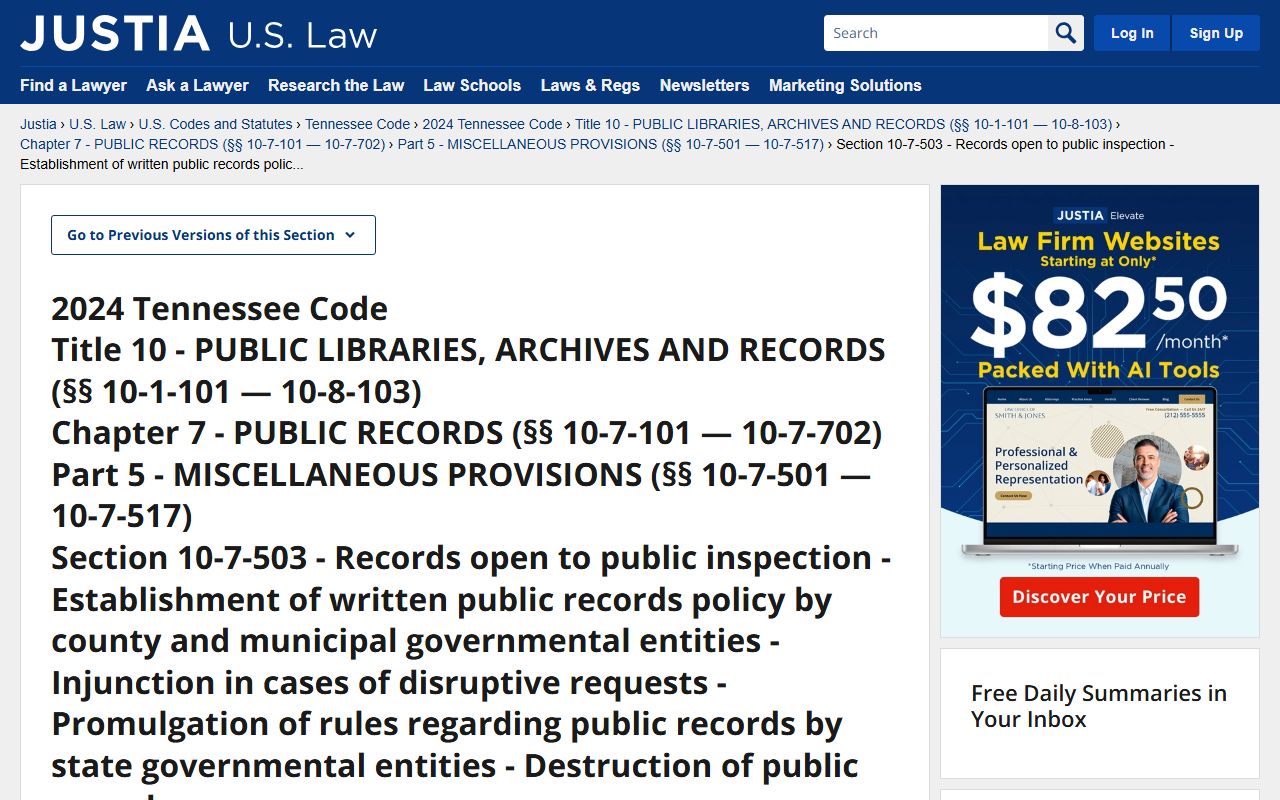
The statute page is useful when you need the exact public-access language tied to inspection rights, response timing, and the general rule that Tennessee police records are open unless a law creates an exemption.
The CTAS guide adds practical context for local government records offices.
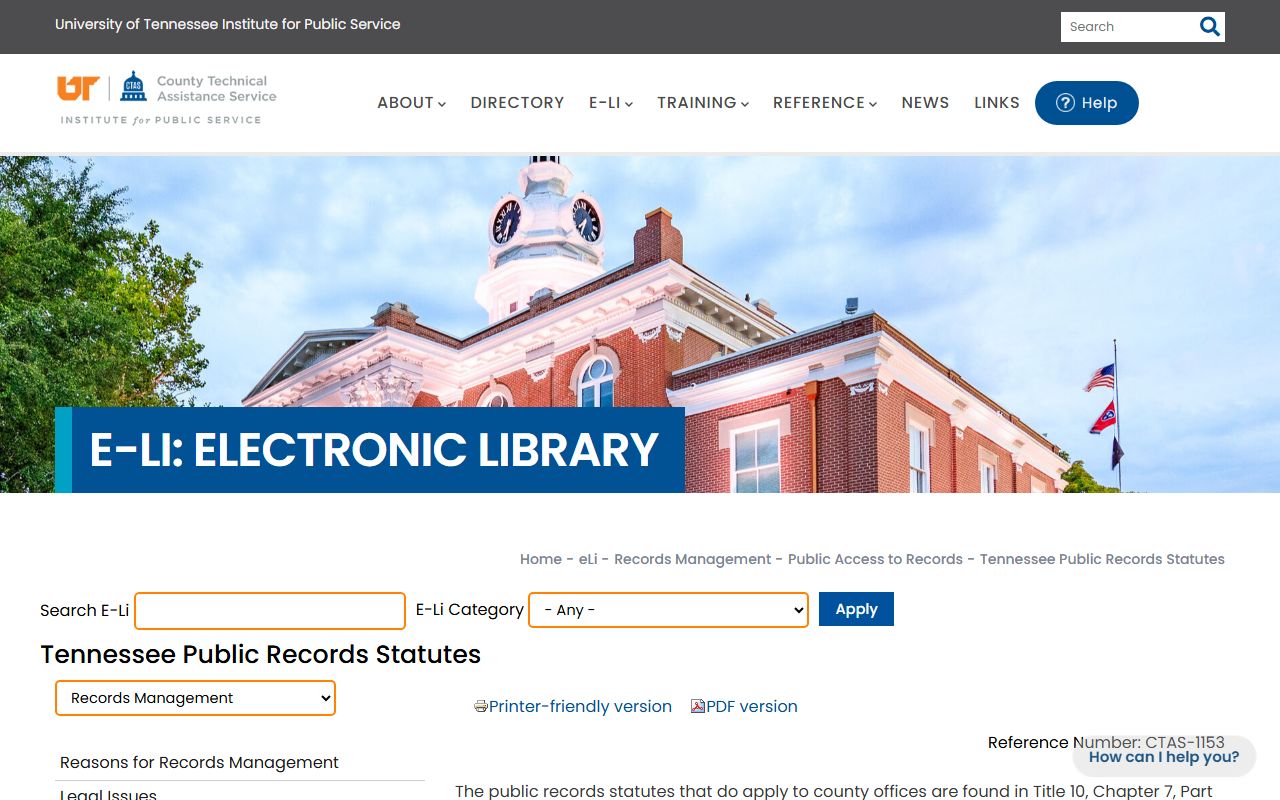
The CTAS summary helps explain how agencies calculate copy costs, identify custodians, and handle Tennessee police records requests that need inspection, copies, or redaction.
Tennessee Police Records for Crashes and Courts
Crash files and court-linked records often require a different route. The Tennessee crash report purchase portal covers reports investigated by the Tennessee Highway Patrol and other participating agencies. Online copies cost $10, while some mail or district-office requests are lower. You usually need the date of crash, names involved, county, and another identifier. The Department of Safety also explains these services on its main website.
If you need the court side after an arrest, use the Tennessee Courts website and local clerk pages. Criminal filings, bond entries, and hearing dates are often easier to confirm there than through a police department page. Older historical files may also be held or indexed by the Tennessee State Library and Archives, which can help when Tennessee police records connect to older court papers or archived county materials.
The Tennessee Highway Patrol also matters in serious traffic cases. THP district offices handle patrol activity across the state, and statewide crash rules are tied to Tennessee Code requirements described by the safety department. When a crash leads to a criminal charge, Tennessee police records may be split between the investigating agency, the crash report system, and the court file.
Use the state crash portal when the file is not at a city desk.
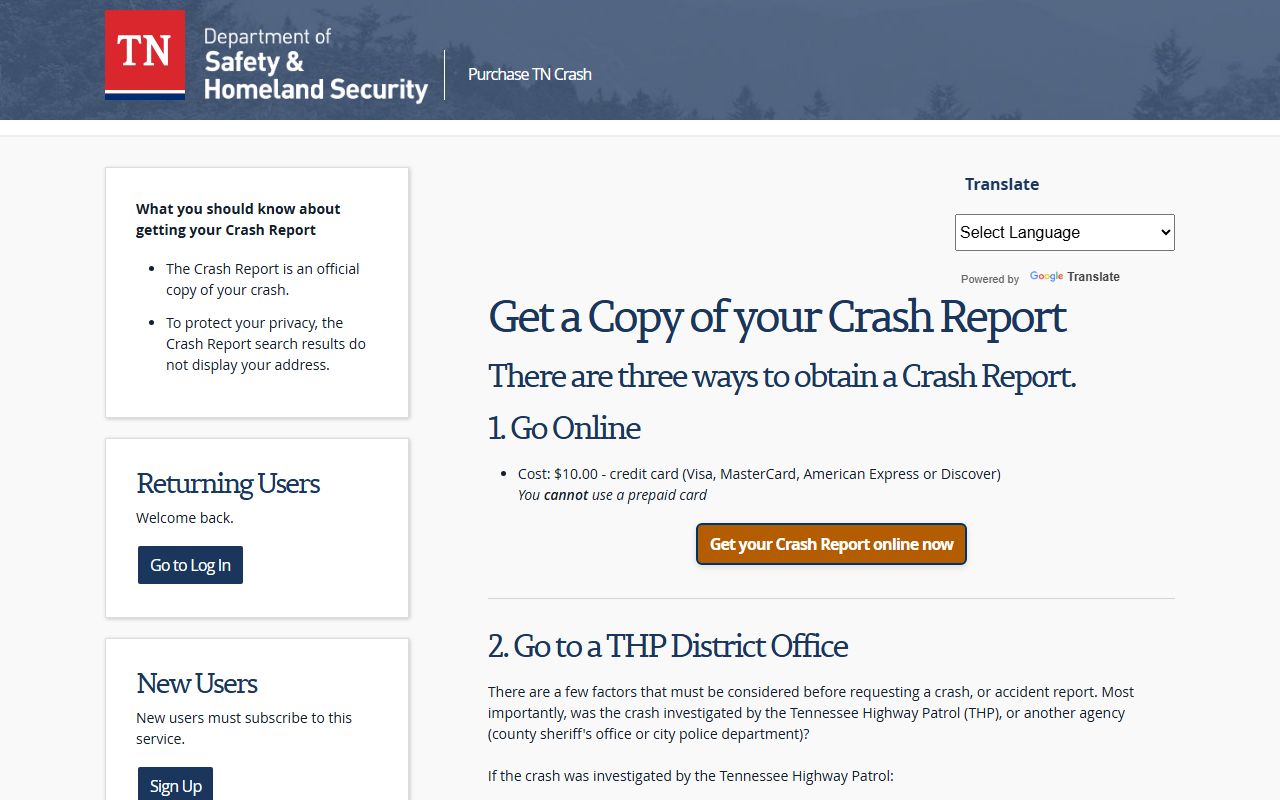
The crash portal is the clearest path for statewide Tennessee police records tied to traffic collisions, especially when you already know the date and county.
The Department of Safety site helps confirm report methods and statewide agency roles.
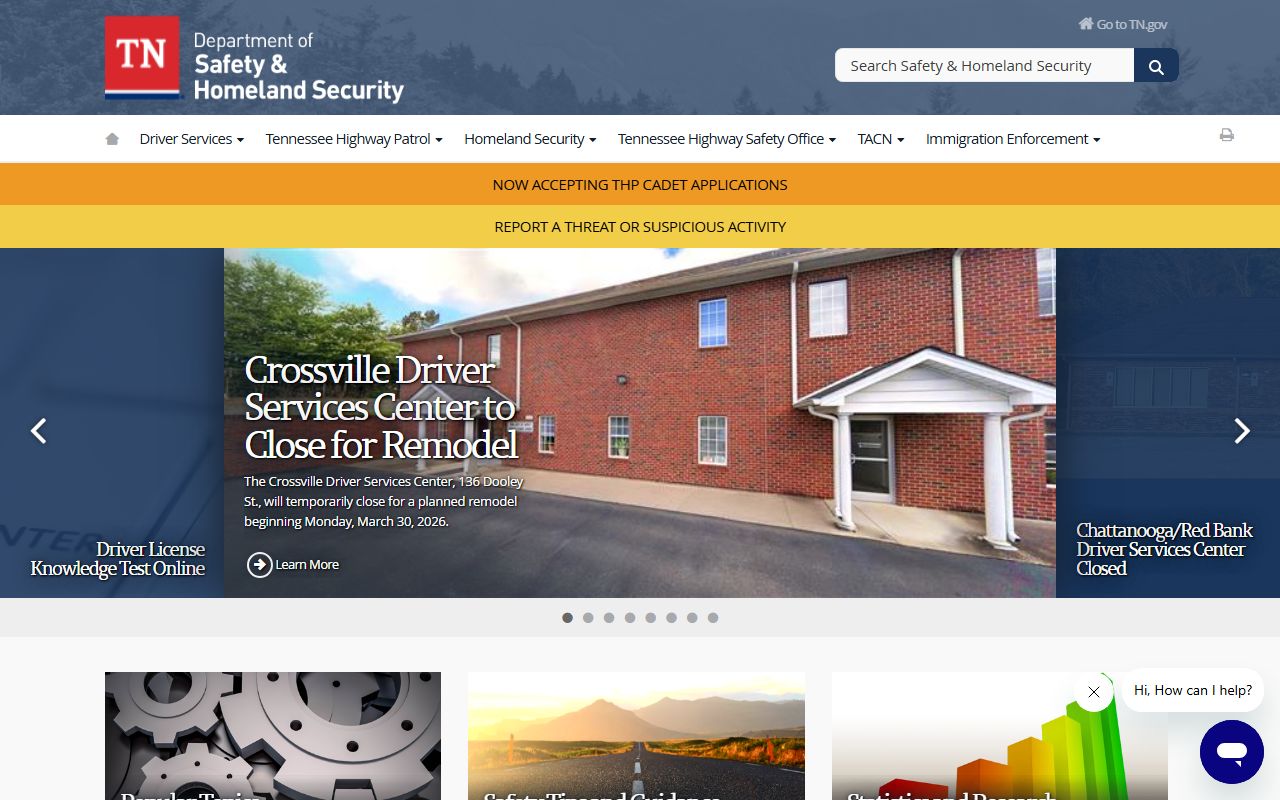
The safety department page helps connect Tennessee police records requests to crash reports, Highway Patrol services, and public-facing state safety resources.
The court site is often the next stop after an arrest search.
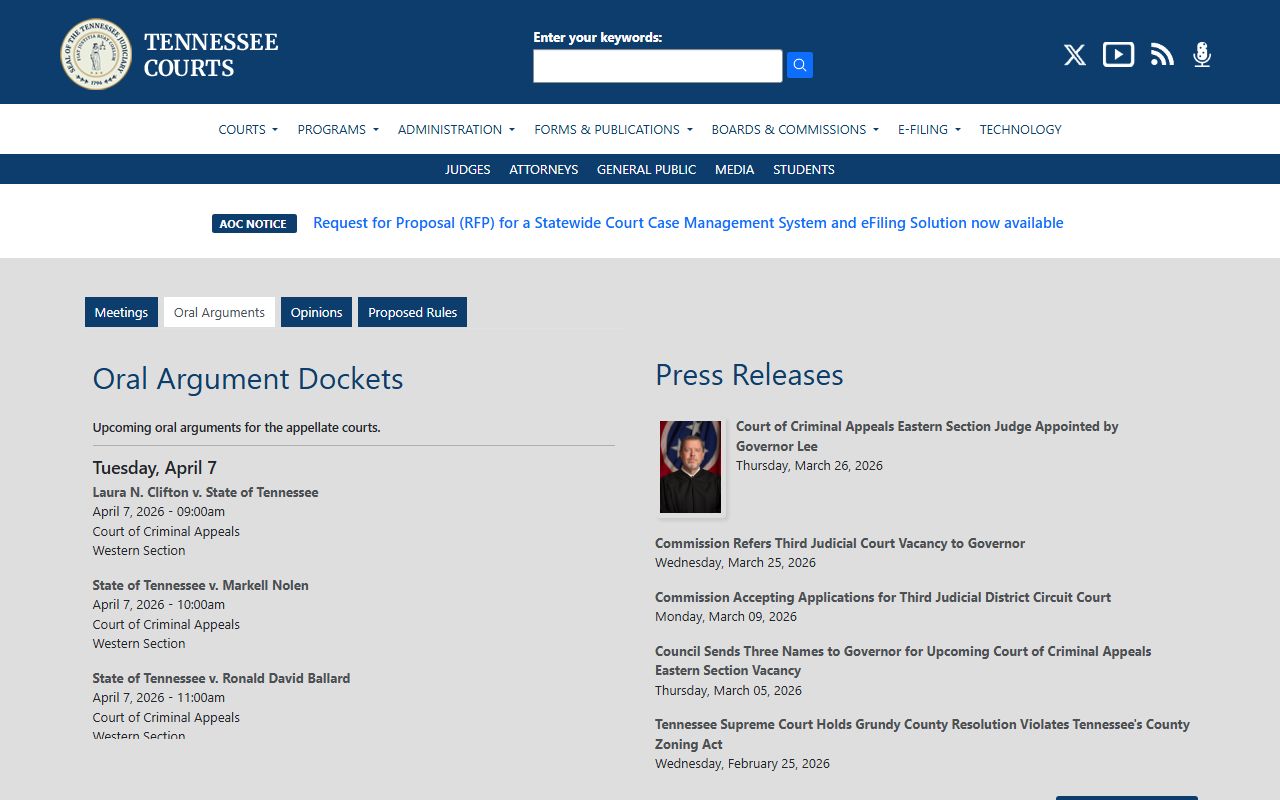
The court portal helps when Tennessee police records need to be matched with a case number, hearing date, or clerk-held criminal file.
Tennessee Police Records Tools and Limits
Tennessee also offers tools that support public safety lookups without acting as a full police report file. The sex offender registry information page explains the TBI registry and the type of data published under Tennessee law. The TICS portal and TICS appeals page handle firearm background-check work, not general report searches, but they still show how the state organizes law-enforcement record systems by purpose.
Public users should not treat one database as complete. A jail roster may not show dismissed charges. A statewide history check may not include every detail in a local narrative. An incident report may be partly redacted while a booking page stays public. Tennessee police records work best when you compare the agency record, the statewide record, and the court record, then request copies from the office that owns the original file.
If you need prosecution context, the District Attorneys General Conference can help identify the district involved. If you need crime-statistics context rather than one person file, the TBI publishes statewide reporting resources and crime data through its public-facing materials. Those tools do not replace a records request, but they help frame what a Tennessee police records search is likely to return.
The TICS system is separate from general Tennessee police records, but it shows another official TBI records workflow.
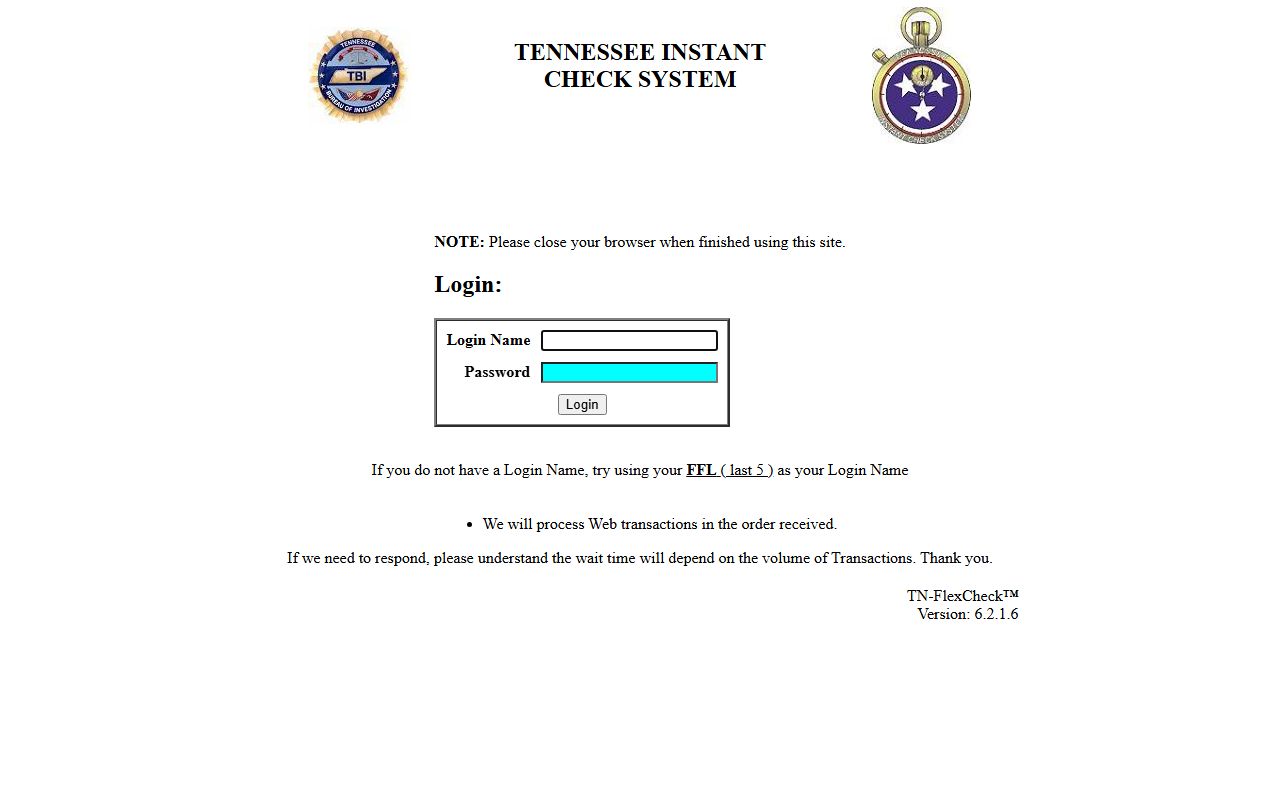
TICS is not an incident-report search, yet it is still a state-run records system that helps explain why Tennessee police records are divided by agency function and legal authority.
The District Attorneys site adds prosecution context when police records lead to charges.
The conference site can help identify the prosecuting district tied to Tennessee police records that moved beyond arrest and into formal criminal charges.
Note: Tennessee police records can overlap, but the right source still depends on whether you need a statewide history, a local report, a crash file, or a court-linked case record.
Browse Tennessee Police Records by County
County pages focus on sheriffs, jail rosters, records divisions, and local request steps. Start with the county where the stop, booking, or report happened.
Tennessee Police Records in Major Cities
City pages focus on municipal police departments and city-specific request channels. Use a city page when the record was created by a police department rather than a county sheriff.