
Search Cleveland Police Records
Cleveland Police Records begin with the city police department, then move to Bradley County when the file shifts into custody, court, or jail follow-up. Some requests are simple. Others need an arrest report, a crash report, or the office that can confirm whether a report is closed. Cleveland keeps the city report side, while Bradley County handles the jail and booking side after an arrest. This page keeps those paths separate so you can search the right source first and avoid sending the request to the wrong office.
Cleveland Police Records Quick Facts
Cleveland Police Records Search
The Cleveland Police Department is the main city source for Cleveland Police Records. The research lists the Records Unit at 100 Church Street NE, Cleveland, TN 37311, and says the unit is the depository for all original police reports, including offense reports, crash reports, arrest reports, and field interviews. The department also uses its records team to enter, update, validate, and submit statistical data to the Tennessee Bureau of Investigation. That makes the city office the right first stop for most local report requests.
Requests can be made in person, by phone, and by mail at the Cleveland Police Service Center during normal weekday hours. The city research also encourages requestors to bring a case number, incident location, date, and names of the parties involved. Those details help the records staff pull the right Cleveland Police Records file without wasting time on a broad search. If you know the report number, include it. If you do not, use the date and location.
See the city records page at clevelandtn.gov/533/Records first.
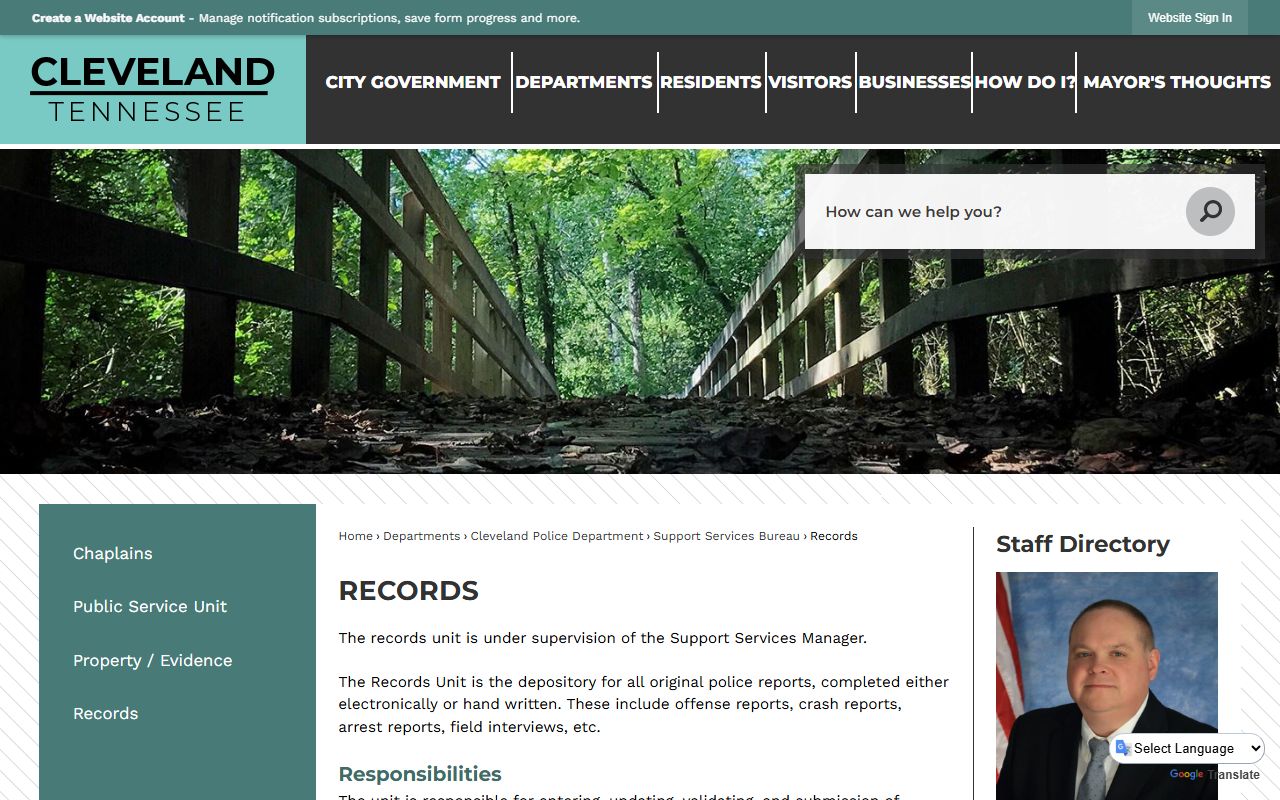
The main city page is the cleanest route for Cleveland Police Records when you need a local report from the police department.
Where to Find Cleveland Police Records
Cleveland Police Records are not limited to one type of file. The city handles offense reports, arrest reports, crash reports, field interviews, and other police records that were created by the department. The public access path is flexible too. You can request records in person, by phone, or by mail, and report requests can be made between 8:00 a.m. and 5:00 p.m., Monday through Friday, excluding holidays. That schedule matters if you want to speak to the records staff before you file the request.
Some records are easier to get than others. Arrest reports are available only for individuals who were arrested and require ID. Offense and incident reports that are still part of a live investigation are not public. Closed investigation files may be released with approval from the District Attorney’s Office or the Chief of Police. That means Cleveland Police Records requests should be narrow and specific so the city can identify the exact file status before you ask for copies.
See the open records page at clevelandtn.gov/468/Open-Records when you want the city’s published request path.
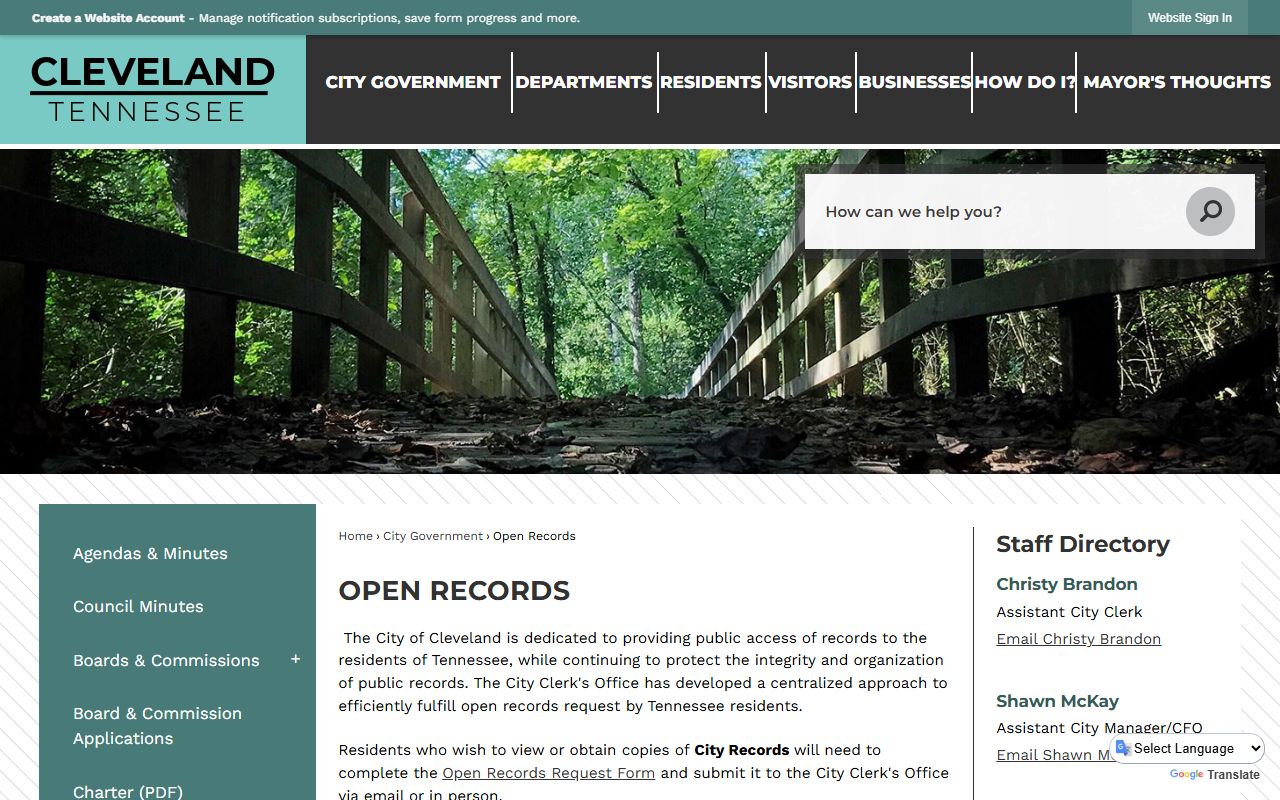
The open records page gives you the city’s own instructions for Cleveland Police Records requests and the related release process.
Cleveland Police Department Records
Cleveland Police Records can include arrest reports, offense reports, crash reports, traffic homicide files, and even 911 or radio recordings. The research says traffic accidents usually take three to five business days to process, while traffic homicide files take three to five business days after report completion. If the request is for more than four records, it becomes a special or multiple request. The department also handles fingerprinting, property pick-up, and communications recordings through named staff or departments.
The records unit’s role is broader than simple copy work. It controls the original reports and supports the data flow to the Tennessee Bureau of Investigation. That matters because Cleveland Police Records are often the city source that later supports county or state searches. If you are tracing a case, start with the city report and then widen the search only if you need jail or court follow-up.
See the department main page at clevelandtn.gov/index.aspx?NID=141 for the broader city structure.
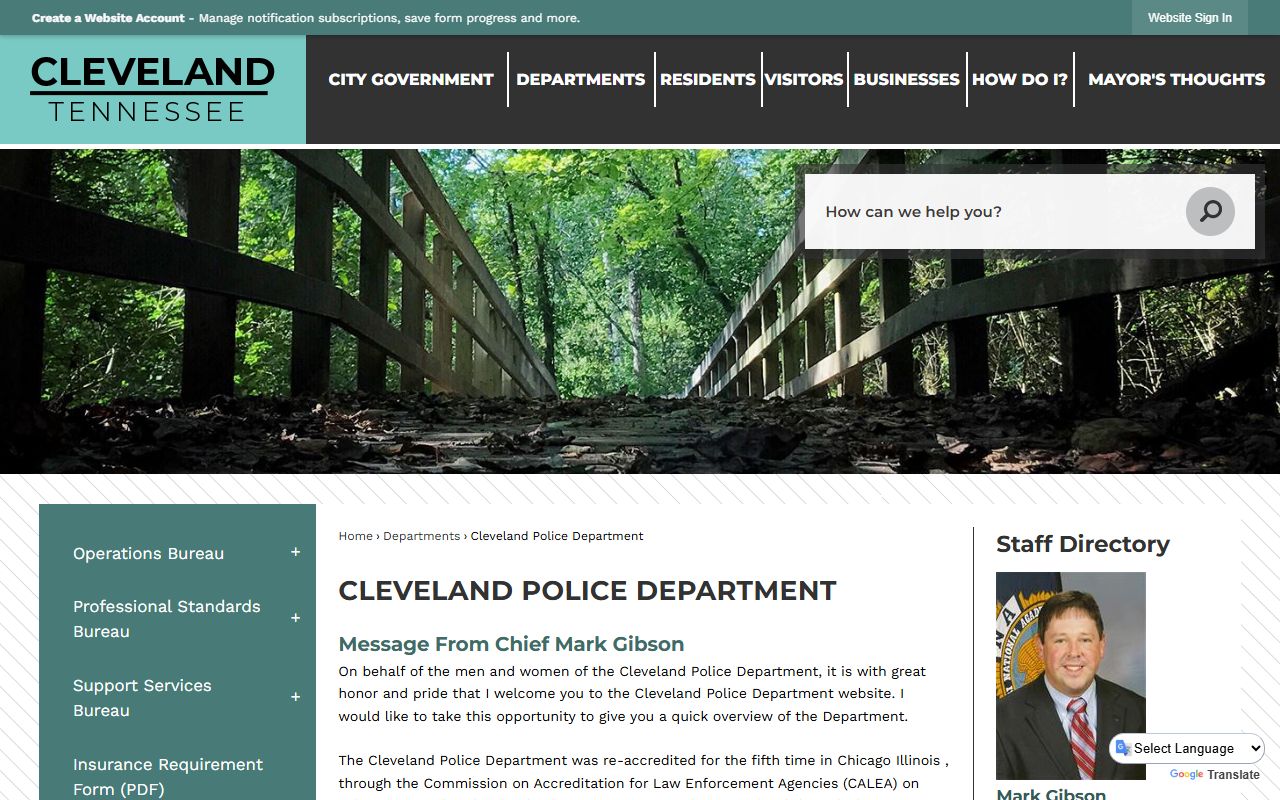
The main department page helps place Cleveland Police Records inside the city’s patrol, records, and support-services structure.
How to Request Cleveland Police Records
The city says Cleveland Police Records requests must be made in person, by phone, or by mail. That gives you three official paths, but the best one depends on the file type and how much detail you already have. If you are asking for a specific report, tell the staff the date, location, and names involved. If you are asking for a crash report, note the crash date and the event location. If you want a copy of a closed report, ask whether the approval step applies first.
Useful request details include:
- Name of the involved person
- Incident or crash date
- Location of the event
- Case or report number if known
- Type of record requested
Copy fees are listed at $0.15 per page for black and white and $0.50 per page for color. Labor can be charged if staff time exceeds one hour. There is no charge to view records. That means a careful request is not only faster, it is also the best way to keep the cost under control.
Bradley County Records and Courts
Cleveland is the county seat of Bradley County, so the county side matters after a city arrest turns into booking or detention. The sheriff’s office is at 2290 Blythe Avenue in Cleveland, and the county research says the sheriff site offers a current inmate roster and booking reports through JailTracker. That makes Bradley County the next stop when Cleveland Police Records alone do not show the jail side of the case.
See the county source at bradleysheriff.com when the case moves beyond the city report.
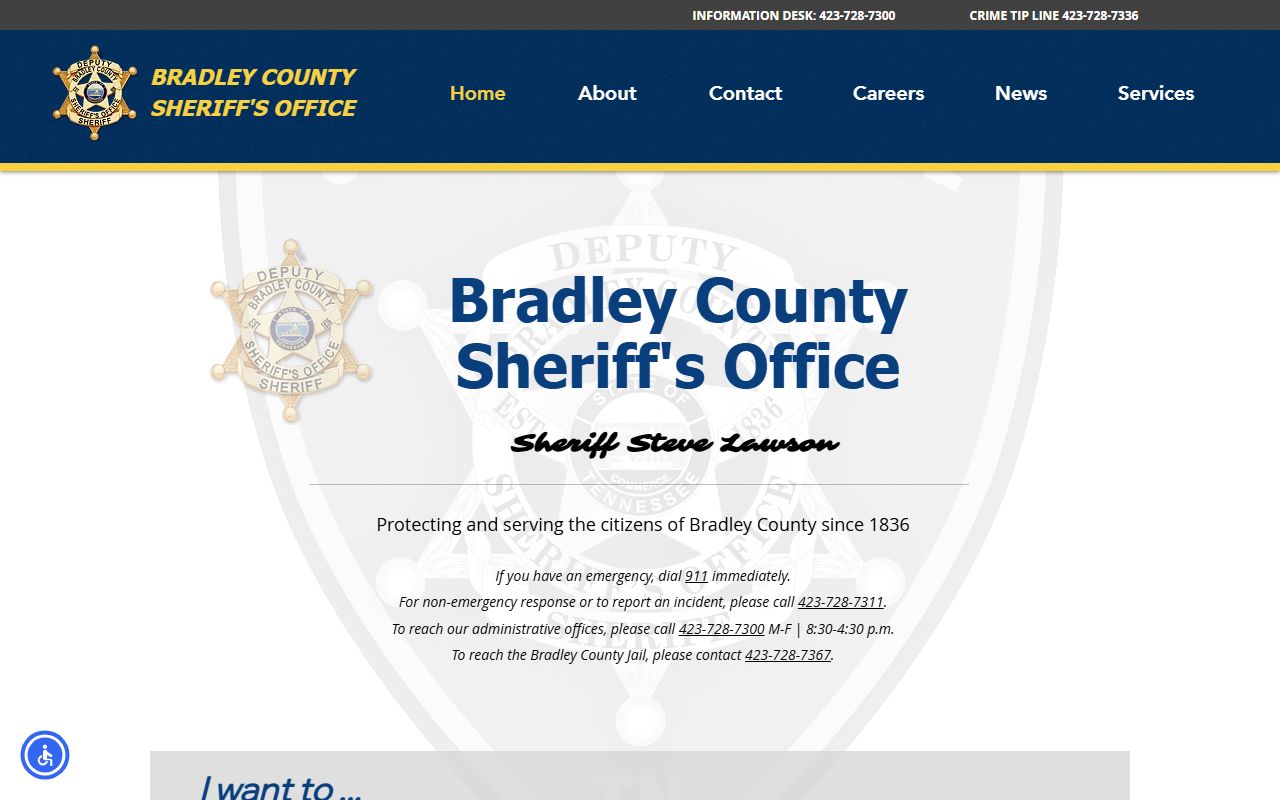
The county source helps connect Cleveland Police Records to booking status, bond, and court follow-up after the arrest.
Public Access to Cleveland Police Records
Cleveland Police Records follow Tennessee public access law. The main rule is in T.C.A. 10-7-503, which opens records unless another law makes them confidential. In Cleveland, that plays out through the department’s release rules. Active investigations stay closed. Closed files may need approval. Arrest reports require ID. That is all normal and fits the state access structure.
The city fee schedule and release rules show why a precise request works best. If you ask for the wrong type of file, staff may have to sort through materials that are not public yet. A tight request helps the custodian release the public part quickly and limit redactions. That is the safest way to handle Cleveland Police Records when you are trying to avoid delay or unnecessary copy charges.
Read the statute page at law.justia.com/codes/tennessee/title/10/chapter/7/part/5/section/10-7-503/ for the access baseline.
The statute page gives the legal base for access, redaction, and inspection in Cleveland Police Records requests.
Cleveland Police Records and Tennessee Tools
State tools help when Cleveland Police Records are not the whole story. The Tennessee crash portal can help if the case was a traffic collision. The Tennessee Bureau of Investigation can help if you need statewide criminal history context. The Tennessee Courts website can help if the case moved into docket, bond, or hearing territory. None of those tools replace the city report, but they help you track the next step in the chain.
Use the crash portal at apps.tn.gov/purchasetncrash/ when the record is a traffic matter rather than a general incident report.
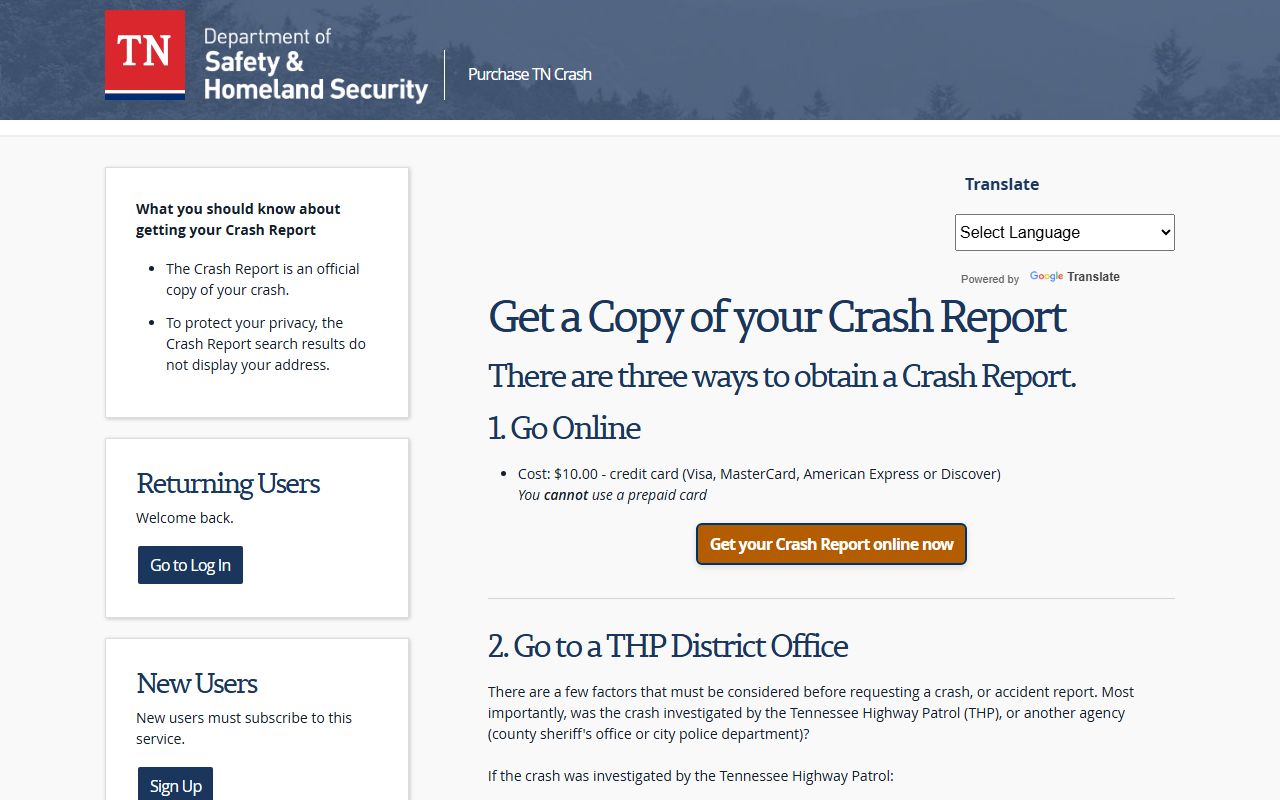
The crash portal is useful when a Cleveland Police Records search turns into a traffic report request instead of a city incident report request.
See the TBI page at tn.gov/tbi.html when the search needs statewide context.
The TBI page supports broader record work when Cleveland Police Records need a state-level check.
Cleveland Police Records Fees
Cleveland’s fee structure is clear. Black and white copies cost $0.15 per page, color copies cost $0.50 per page, and labor can be charged if staff time goes past one hour. There is no charge to view records. The records unit also notes that special or multiple records requests may be handled differently. That means Cleveland Police Records are most affordable when the request is specific and tied to one report rather than a broad batch of files.
If you only need to inspect the report, ask about viewing first. If you need a paper copy, ask for the charge before the file is produced. That small step keeps the request efficient and avoids surprise costs.
Next Steps for Cleveland
Cleveland Police Records usually move in a simple line. Start with the city for the report, move to Bradley County for custody or jail details, then use the courts if the case needs follow-up. If the file is a crash report, the city request path or the state crash portal is usually the better start. If the file is an arrest report, the city records unit is the better fit. That split keeps the search grounded in the office that actually created the record and saves time in the long run.
When in doubt, begin with the Cleveland records unit and work outward. It is slower than guessing, but it is the route that usually gets the right record the first time.